How this guide was built: This is scenario-based editorial guidance. It does not claim laboratory or hands-on testing. We focus on durable buying criteria, practical upkeep and tradeoffs that shoppers can verify before purchasing.
Three useful directions to start your shortlist
There is rarely one universally best foam roller. The most useful option depends on where it lives, who uses it and which compromise you are willing to accept. These three directions make the first comparison easier.
Balanced Foam Roller
A sensible starting point for active adults building a simple recovery habit; prioritize comfort, straightforward care and features you will use weekly.
Tradeoff: It may skip premium extras that matter only to specialized users.
View current optionsCompact Foam Roller
Choose this direction when storage, portability or visual clutter is the main constraint.
Tradeoff: Smaller size usually means less capacity or fewer adjustments.
View current optionsDurable Foam Roller
Look for replaceable high-wear parts, clear care instructions and a warranty that matches the product category.
Tradeoff: The upfront price is often higher, so value depends on frequent use.
View current optionsStart with the real-life moment
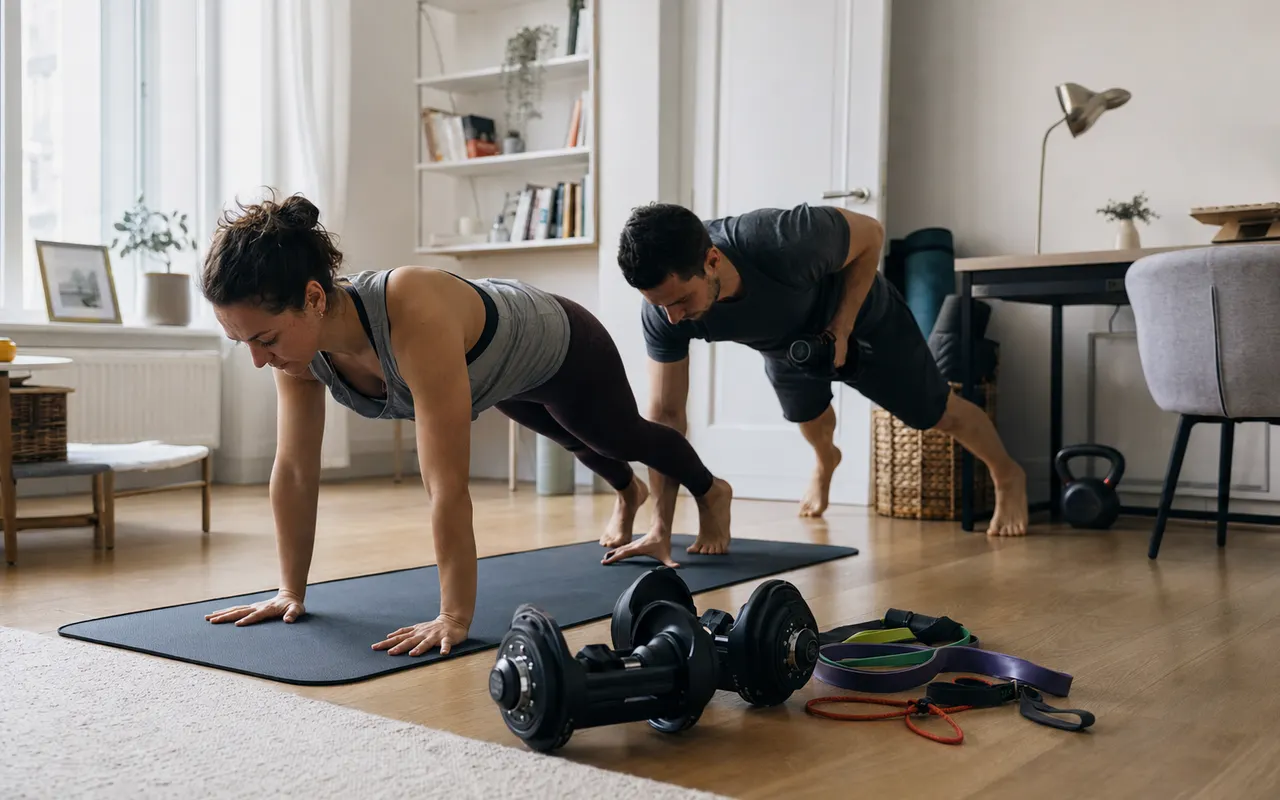
That ordinary moment is a better buying brief than a list of premium features. For active adults building a simple recovery habit, the right purchase should be easy to reach, easy to maintain and comfortable to use when attention is divided. If a feature does not improve that moment, it should not dominate the decision.
Firm textures provide stronger pressure but can be too intense for frequent use. Recognizing that tension early prevents a common shopping mistake: maximizing one specification while making the overall product less pleasant to live with.
How to choose foam roller
Begin with constraints. Write down available space, the people who will use the item, the frequency of use and the part of the current routine that creates friction. Then compare only products that solve those core conditions.
1. Consider The Movement You Can Repeat Every Week
For foam roller, start with the movement you can repeat every week. Picture the purchase inside your ordinary week, not on its best-looking day. The right choice should reduce friction for active adults building a simple recovery habit, remain easy to maintain, and still make sense after the novelty fades.
When comparing listings, look for concrete dimensions, care instructions, compatible systems and replacement requirements. Marketing labels are less useful than details you can connect to your own room, body, schedule or packing list.
2. Consider Available Floor Space And Storage
For foam roller, start with available floor space and storage. Picture the purchase inside your ordinary week, not on its best-looking day. The right choice should reduce friction for active adults building a simple recovery habit, remain easy to maintain, and still make sense after the novelty fades.
When comparing listings, look for concrete dimensions, care instructions, compatible systems and replacement requirements. Marketing labels are less useful than details you can connect to your own room, body, schedule or packing list.
3. Consider Adjustability As Ability Changes
For foam roller, start with adjustability as ability changes. Picture the purchase inside your ordinary week, not on its best-looking day. The right choice should reduce friction for active adults building a simple recovery habit, remain easy to maintain, and still make sense after the novelty fades.
When comparing listings, look for concrete dimensions, care instructions, compatible systems and replacement requirements. Marketing labels are less useful than details you can connect to your own room, body, schedule or packing list.
4. Consider Noise, Grip And Comfort In The Intended Setting
For foam roller, start with noise, grip and comfort in the intended setting. Picture the purchase inside your ordinary week, not on its best-looking day. The right choice should reduce friction for active adults building a simple recovery habit, remain easy to maintain, and still make sense after the novelty fades.
When comparing listings, look for concrete dimensions, care instructions, compatible systems and replacement requirements. Marketing labels are less useful than details you can connect to your own room, body, schedule or packing list.
Common mistakes to avoid
- Buying for an ambitious schedule you cannot maintain. Pause and ask what the purchase needs to do during a normal week.
- Forgetting neighbors, flooring and ceiling height. Pause and ask what the purchase needs to do during a normal week.
- Adding complexity before building consistency. Pause and ask what the purchase needs to do during a normal week.
Another mistake is treating the return window as an afterthought. Before ordering, confirm which packaging must be retained, whether return shipping is charged and how quickly you can evaluate fit in the intended space.
A five-minute buyer checklist
- Write down where and when you will use the foam roller.
- Measure the relevant body, room, shelf, bag or doorway before ordering.
- Choose the two features that solve the real problem for active adults building a simple recovery habit.
- Check cleaning, charging, refill or replacement-part requirements.
- Confirm the merchant return window before opening or discarding packaging.
If two options remain tied, choose the one that is simpler to maintain and easier to return. Small improvements in convenience tend to matter more over time than a feature you might use once.
Frequently asked questions
What should I prioritize first when buying foam roller?
Start with the constraint you encounter most often in the real scenario: using ten quiet minutes after work instead of skipping recovery entirely. A product that handles that moment well is more valuable than one with a longer feature list.
Is the most expensive option usually worth it?
Not automatically. A higher price is easier to justify when it improves durability, daily comfort, safety, repairability or a feature you use repeatedly. Skip upgrades that do not change your weekly routine.
How can I compare options without getting overwhelmed?
Create a three-column shortlist: must-have, useful and unnecessary. Eliminate any option that misses a must-have, then compare maintenance and return terms before small specification differences.
Bottom line
The most sensible foam roller is the one that fits the real setting described in this guide, handles the recurring task without extra fuss and has a tradeoff you can comfortably accept. Build a short list from those requirements, verify current merchant details, and resist paying for complexity that will not improve your routine.